Services
-
Consolidating existing research and evaluation findings to inform programme design, strategy, and policy decisions.
-
Designing and delivering evaluations across programme cycles, including baseline, midline, and endline assessments.
-
Assessing not only whether change occurs, but how and why, through combined qualitative and quantitative methods.
-
Applying robust non-randomised designs and structured surveys to assess programme effects.
-
Conducting interviews, focus group discussions, and context-adapted methods to capture lived experiences and implementation realities.
-
Application of data science techniques to analyse complex datasets, including statistical analysis, natural language processing, and computational approaches to large-scale text and pattern analysis.
-
Design and facilitation of adaptive learning processes to support reflection, iteration, and decision-making.
-
Structured reviews to identify risks of harm, unintended consequences, and potential negative impacts, with practical recommendations to strengthen conflict-sensitive programming.
-
Analysis of how programmes, policies, and contexts affect different groups, with a focus on gender, age, disability, and other dimensions of exclusion.
-
Analysis of power, incentives, and institutional dynamics shaping policy, reform processes, and programme outcomes.
Afghanistan Legal and Policy Analysis
This report provides a structured analysis of the legal and policy frameworks shaping aid operations under the Islamic Emirate in Afghanistan, with a focus on the evolving regulatory environment under Taliban de facto rule. It examines key areas including the fragmentation of domestic legal modalities, applicable international legal obligations, and the practical implications of sanctions regimes for humanitarian and basic needs assistance.
The analysis was compiled in the context of the Joint Interagency Reference Framework initiative in Afghanistan. It aims to clarify areas of legal ambiguity, distinguish between binding obligations and policy choices, and support more informed, risk-aware decision-making. Read more
Featured work
Meta Synthesis: What Works to Strengthen Electoral Integrity?
This meta-review was conducted as part of the mid-term evaluation of the Support the Harmonisation of Pan-African Electoral Capacities (AHEAD Africa) programme. It provides a systematic synthesis of the existing evidence base on electoral integrity, drawing on experimental, quasi-experimental, and comparative studies identified through a structured review of academic and grey literature. The analysis focuses on studies from non-OECD contexts and applies clear inclusion criteria to assess methodological rigour and relevance.. Read more
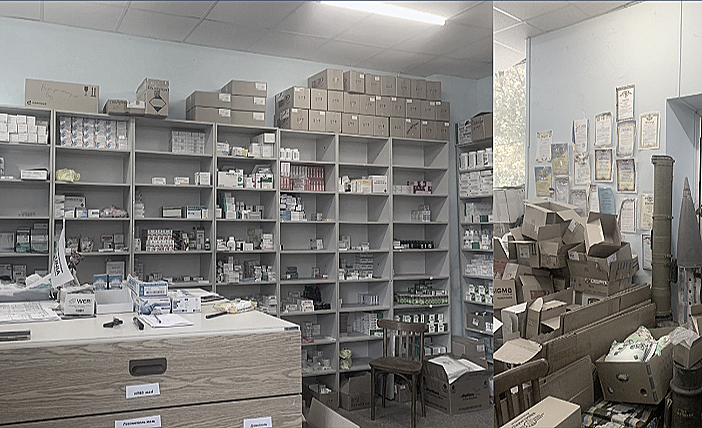
Evaluation: Artsenhulp Medical Support Programme in Ukraine
This evaluation assesses the Artsenhulp Medical Support programme, launched in response to critical medical supply shortages following Russia’s full-scale invasion of Ukraine. It examines how effectively the project delivered life-saving medical supplies and equipment to nearly 100 health facilities across the country, and how it adapted as needs evolved over time. Combining interviews, field visits, and survey data from partner clinics and military stabilisation points, the study analyses the project’s relevance, operational performance, and contribution to healthcare delivery. It also looks at the ethical decision-making processes guiding the distribution of aid, particularly the application of humanitarian principles in Ukraine’s highly politicised operating environment.
Reference Projects
A significant share of our work takes place in sensitive environments, often involving confidential data or politically complex contexts. As a result, not all work can be shared publicly. The examples presented here provide a selection of projects and findings that can be disclosed, offering an overview of approaches, methods, and areas of expertise.
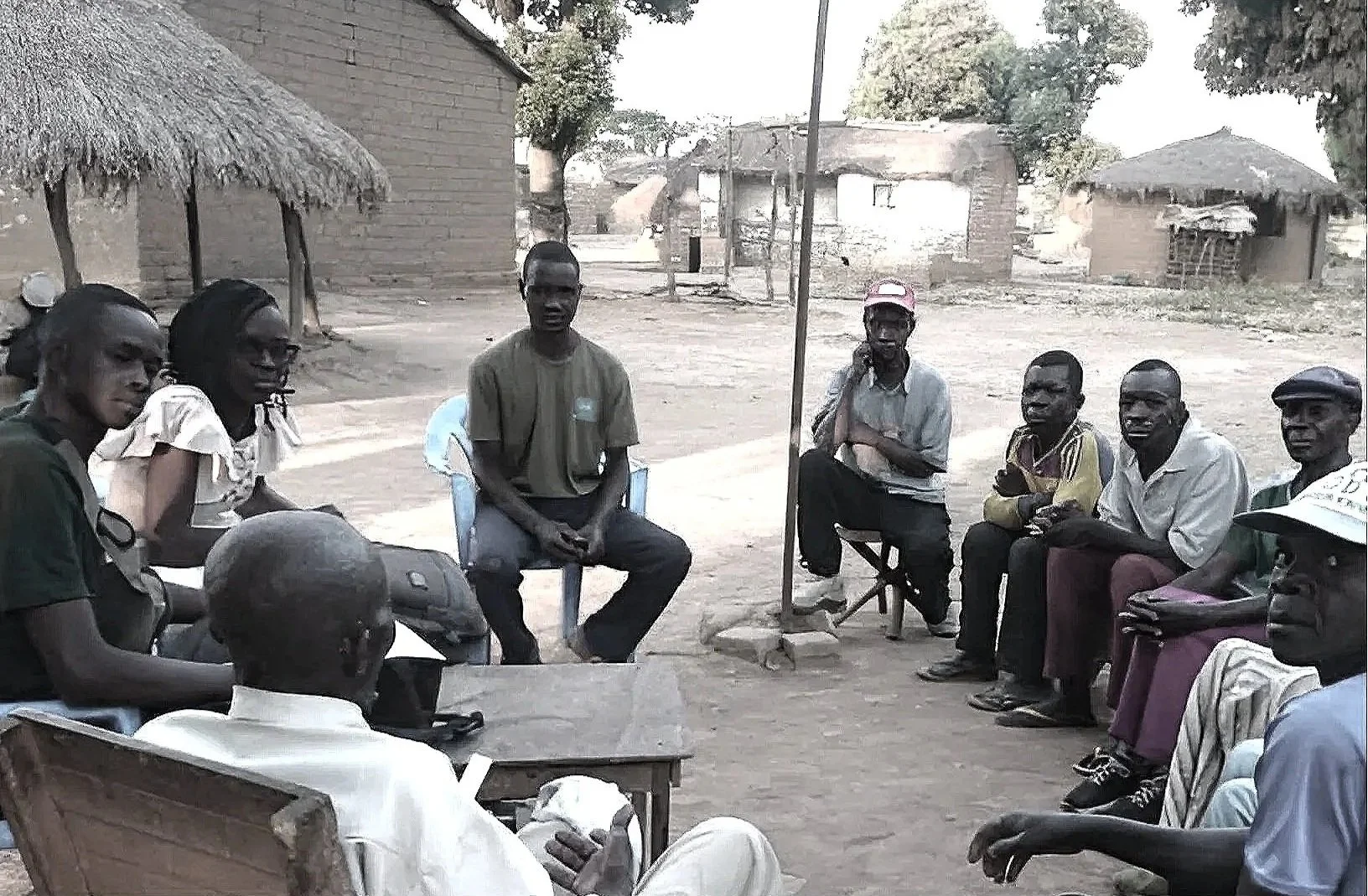
Research: Cultural Heritage and Pathways to Peace in the Central African Republic
This study examines how communities in the Central African Republic navigate recovery and reconciliation in the aftermath of repeated cycles of violence. Drawing on qualitative research in Ippy and Bouar, it explores the role of cultural heritage, traditional practices, and religious actors in shaping trust and conflict resolution.
Transforming Conflict Around Seasonal Cattle Transhumance in the Central African Republic
This end-term evaluation assesses the “Transforming Conflict Around Seasonal Cattle Transhumance” project in northern Central African Republic, a 2.5-year EU-funded initiative implemented by Concordis International to reduce intercommunal conflict between herders and farmers. Using a mixed-methods approach combining interviews, focus group discussions, longitudinal survey data, and project monitoring data, the evaluation examines how community-based mediation, dialogue processes, and cross-border cooperation mechanisms contributed to conflict management.
Evaluation: Foreign Information Manipulation in Sub-Saharan Africa
This evaluation examines a regional programme aimed at countering foreign information manipulation and interference (FIMI) across Sub-Saharan Africa. The programme focused on strengthening the resilience of media ecosystems through journalist training and the provision of legal support to media professionals. The evaluation draws on interviews with journalists, programme partners, and legal experts, alongside a review of training outputs, case data from the legal support fund, and programme documentation. It assesses both the immediate effects on participants and the programme’s contribution to broader media resilience.
Due to confidentiality constraints, further details of this programme cannot be disclosed. For additional information on this area of work, please contact: info@evidence-lab.org
Evaluation: Responding to the Needs of Ukrainian Refugee Children in Poland
This evaluation assesses Terre des Hommes Netherlands’ programme supporting Ukrainian refugee children and their families in Poland, examining the relevance, effectiveness, and outcomes of a multi-partner, multi-sector response designed to address both immediate humanitarian needs and longer-term challenges of integration and recovery. Using a mixed-methods approach combining key informant interviews, focus group discussions, surveys, and programme monitoring data, the study examines the extent to which interventions contributed to improvements in children’s and families’ wellbeing, access to protection and support services, psychosocial resilience, and social integration. It also explores how programme outcomes varied across different groups and implementation contexts, the factors that enabled or constrained results, and the extent to which support responded to changing needs over time.

This evaluation examines The Carter Center’s Women’s Access to Information (WATI) programme in Liberia (2021–2023) and Sierra Leone (2023). The programme worked across community, civil society, and government levels to address both demand- and supply-side barriers to information access, including limited awareness of rights, institutional responsiveness, and gender-specific constraints affecting women’s ability to engage with public authorities.
Using a theory-based, mixed-methods approach, the evaluation combines interviews, focus group discussions, programme monitoring data, and analysis of Freedom of Information (FOI) requests. It assesses programme relevance, implementation, emerging outcomes, and the mechanisms through which change occurred, tracing how interventions influenced women’s knowledge and confidence, civil society engagement, and the responsiveness of public institutions. Particular attention is given to the interaction between individual empowerment and wider institutional and systemic change, as well as to the factors enabling or constraining sustained improvements in women’s access to information.
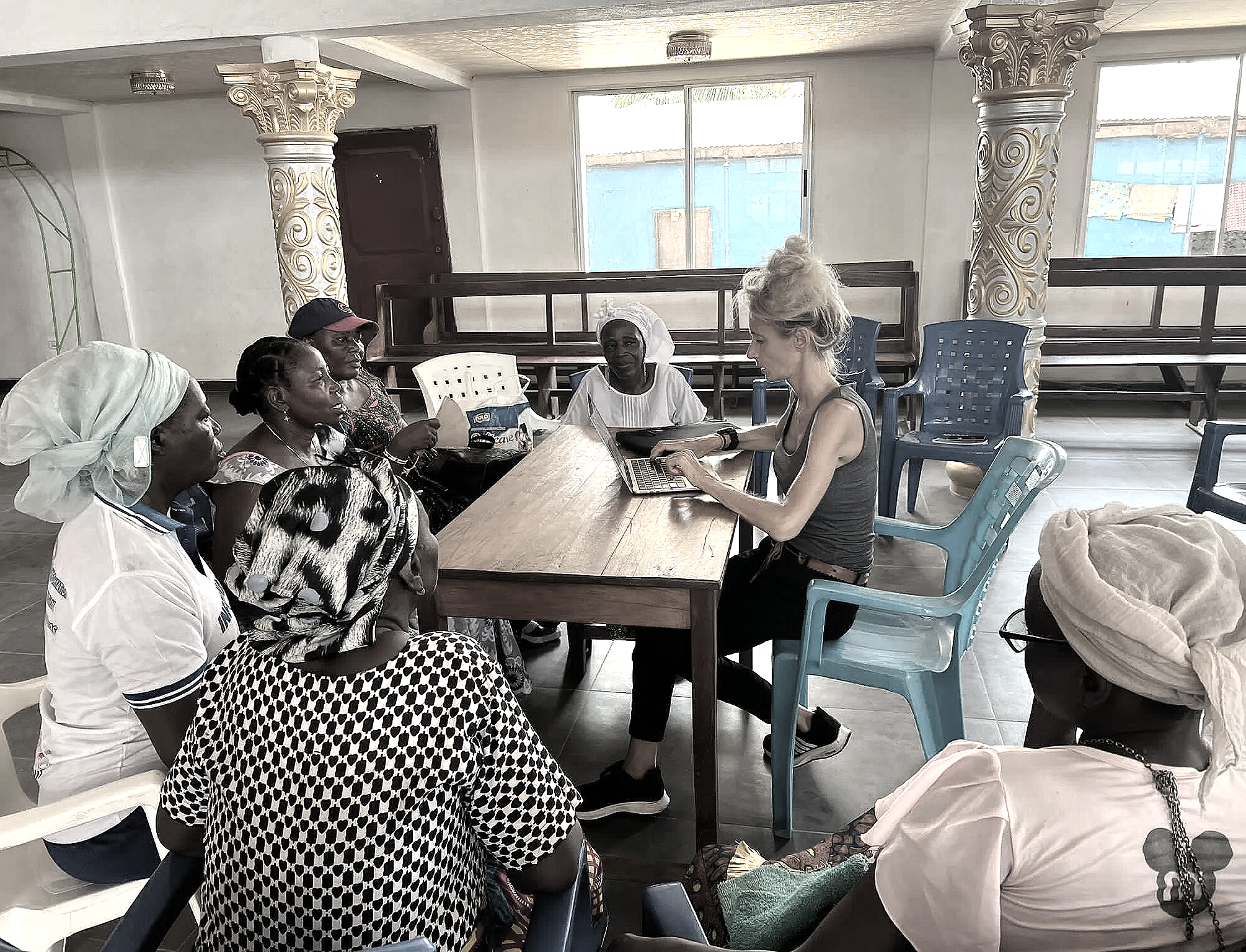
Evaluation: Women’s Access to Information (WATI) Programme in Liberia and Sierra Leone
Evaluation: Women’s Academy for Africa
Evaluation: Clean Money in Elections Programme
This mid-term evaluation assesses the AHEAD Africa programme, a European Union–funded initiative supporting civil society engagement in electoral processes across Africa. It examines the programme’s relevance, implementation, and emerging results across multiple countries and activity streams, including capacity-building, peer learning, and policy dialogue. The evaluation draws on a mixed-methods approach, combining a review of programme documentation and external literature with 50+ interviews and small group discussions involving partners, participants, and institutional stakeholders, alongside a survey of programme participants. A theory-based framework was used to analyse how activities contribute to change at individual, organisational, and system levels, supported by case studies of key programme components.
Evaluation: AHEAD Africa Electoral Support Programme
Evaluation: Leap4Peace Consortium Burundi, Colombia & Myanmar
This end-term evaluation assesses the LEAP4Peace programme, a multi-country initiative supporting women’s political participation and peacebuilding in Burundi, Colombia, and Myanmar. Using a qualitative, theory-based and feminist approach, the study draws on interviews and focus group discussions with over 75 stakeholders, alongside programme data and case studies, to examine how change unfolded in highly different and often constrained political environments. Rather than measuring success against linear assumptions of increased representation or policy reform, the evaluation traces how participation actually happens under pressure.
This risk analysis examines the operating environment for the Naye Thit Media Development Programme in Myanmar, focusing on the political, security, digital, and operational risks facing independent media organisations, journalists, and programme partners under military rule. It considers the implications of repression by the military junta, including surveillance, arbitrary detention, restrictions on freedom of expression, internet shutdowns, censorship, and the increasing use of digital technologies to monitor and target journalists and civil society actors The assessment identifies key threats, vulnerabilities, and potential consequences for programme implementation and partners, and considers practical mitigation measures relating to secure communications, safe technology use, information management, partner protection, and adaptive programme delivery. The analysis is intended to support risk-informed and conflict-sensitive decision-making in a rapidly changing and highly restrictive media environment.
Feasibility Study: Yangon Film School in Myanmar
This feasibility study assessed a proposed new programme to be implemented by Yangon Film School in Myanmar prior to its launch, in line with the requirements of the German Federal Ministry for Economic Cooperation and Development (BMZ). The study examined whether the proposed intervention was relevant, realistic, and appropriately designed for the political and operational context, with particular attention to the needs of intended target groups, the programme’s theory of change, implementation arrangements, and the capacity of delivery partners.
The assessment also considered the risks associated with operating in Myanmar’s highly restrictive environment, including political repression, security constraints, limitations on freedom of expression, and the challenges facing independent cultural and media actors. It reviewed the feasibility of proposed activities, assumptions underpinning the programme design, safeguarding and conflict-sensitivity considerations, and prospects for sustainability.
Risk Analysis: Naye Thit Media Development Programme in Myanmar
Quasi-Experimental Research on the HDP Nexus in Afghanistan
This study examines the effects of a livelihoods programme under UNDP ABADEI in Afghanistan as part of a broader assessment of the Humanitarian-Development-Peace (HDP) Nexus. Using a quasi-experimental difference-in-differences design, the research compares changes over time in areas supported by ABADEI with trends observed through a wider Whole of Afghanistan assessment, enabling a more rigorous analysis of programme contribution in the absence of randomised assignment. The study explores whether and how area-based development interventions influenced household resilience, livelihoods, access to services, social cohesion, and other outcomes associated with the HDP Nexus, while accounting for wider contextual changes affecting communities across Afghanistan.
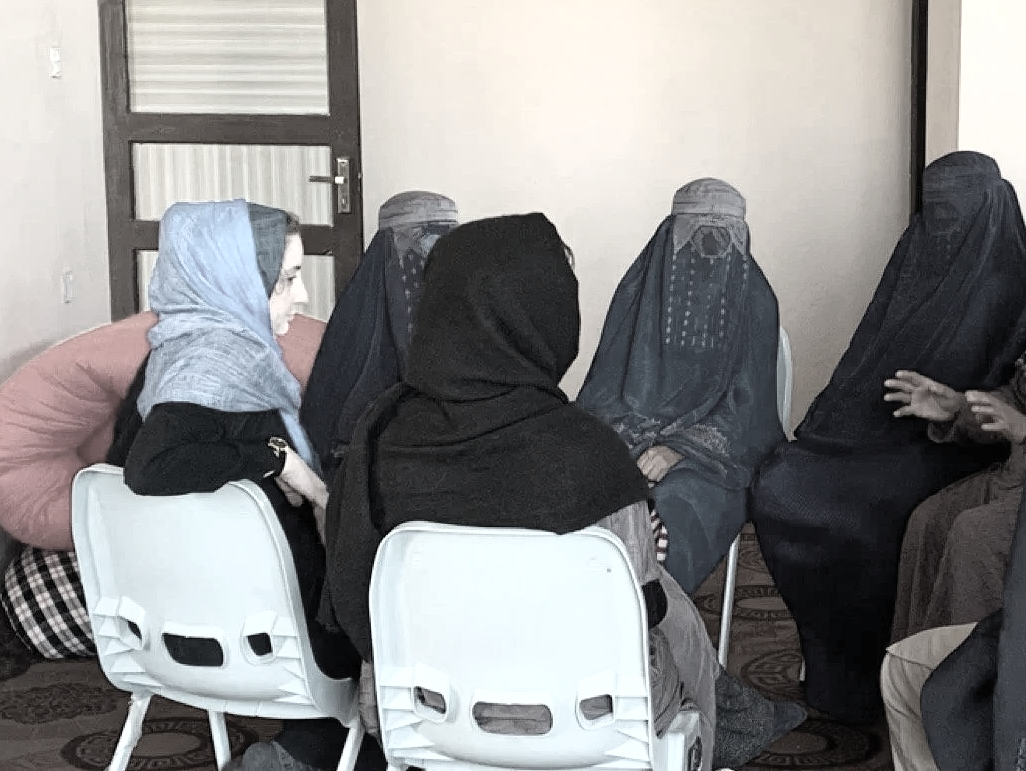

Baseline Study: Promoting a Democratic, Inclusive and Environmentally Sustainable Iraq
This baseline study establishes the starting point for the programme Promoting a Democratic, Inclusive and Environmentally Sustainable Iraq, providing a foundation for measuring progress and results over the course of implementation. It assesses baseline conditions across the programme’s core areas of democratic participation, social and political inclusion, civic engagement, institutional responsiveness, and environmental sustainability, while examining differences across locations and stakeholder groups. The study combines quantitative and qualitative evidence to establish baseline values for key indicators, test assumptions underpinning the programme’s theory of change, and identify contextual factors that may enable or constrain implementation and longer-term outcomes.
Review: Implementation of Germany’s Feminist Development Policy in the MENA Region
Evaluation: Russian and Belarusian Media in Exile Programme
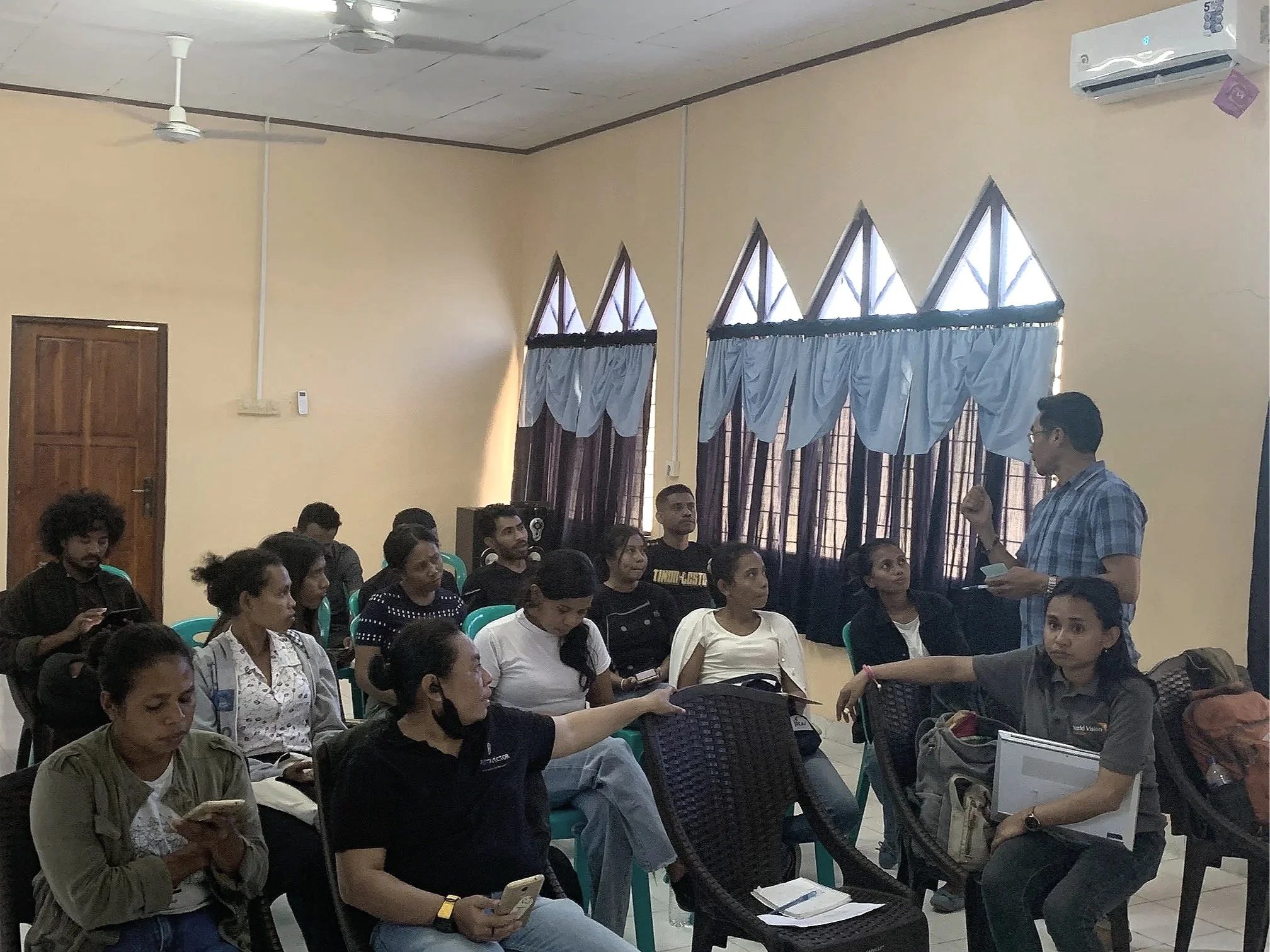
Evaluation: USAID’s Healthy Relationships for a Violence-Free Future Initiative in East Timor
Evaluation: Assessing the Pro-Kremlin Disinformation Ecosystem in Western Europe
Research: Illicit Financial Flows in Sub-Saharan Africa
Evaluation: Women’s Workforce Programme in Georgia and Armenia
Evaluation: Inclusive Peacebuilding in Thailands Southern Border Province